Living Art: Eight Ways to Enjoy This Unique Experience
Our Universal Ticket gives you access to the full Living Art experience, including our Big Question seasonal exhibitions, The Living Area (the Robert and Lisa Sainsbury Collection), our 350-acre Sculpture Park, and free daily tours. Entry tickets can be free, or you can choose to support the Sainsbury Centre through your contribution, which helps us to care for our collections, present world-class exhibitions, acquire new artworks, and keep art accessible for all.
Living Art: Eight Ways to Enjoy This Unique Experience
At the Sainsbury Centre, we recognise art as alive. But what does that mean in practice? We invite you to experience the museum as never before.
You don’t have to be an art lover to love the Sainsbury Centre. There is no single way that you should be told to enjoy art. Discover a range of ways to forge relationships with art. Here are some ideas we invite you to try:
–
–
–
1 Become an Artwork

You can now become a work of art in our collection display known as the Living Area. Stand in a glass box to feel what it’s like to be trapped in a museum case and be gazed upon by iconic works from the collection, including John Davies’ enigmatic Bucket Man (1974).
This is more than just looking at art; it’s about engaging with the collection in whatever way feels most meaningful to you. As the roles reverse, you’ll begin to question the traditional boundaries that confine art. What might these artworks be thinking about you, the living exhibit? How does it feel to be on display? This introspective journey will challenge your perceptions and spark meaningful conversations.
This immersive experience doesn’t end there. Challenge yourself to write out your own exhibit label. Can you capture your essence in just a few words?––
–
2 Hug a Henry Moore
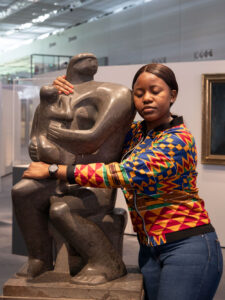
Get up close to the sculpture. Look at the face of the mother. Close your eyes and try as best as you can to remember your earliest memory of being held. Now reach out and run your hand down the back of this sculpture. Can you describe the connection you feel?
“Starting today, if you go down to the Sainsbury Centre on the University of East Anglia campus just outside Norwich, you too can hug a Henry Moore. I went on Wednesday and it was one of the most moving experiences of my gallery-going life.” – The Times
–
3 Meet the Art
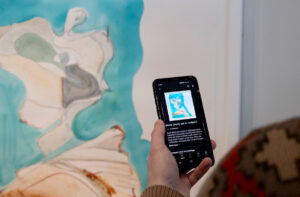
Choose your own adventure with the Sharing Stories audio experience! Exploring the complex and intimate relationships humans all over the world share with art, Sharing Stories focuses on 11 key objects in the Sainsbury Centre collection and allows you to choose from a variety of unique perspectives to hear about each object.
The Living Art audio experience invites you to meet art in creative and explorative ways. Through interactive elements, the tour will take you on a unique journey unlike anything you’ve experienced in a museum before. You will be asked to touch the art, listen to it, move with it, and forge relationships with it.
Download the Smartify app before your visit or scan the QR code on arrival. With Smartify, your phone becomes a powerful tool which allows you to find the life story of every work on display.
Scan an object and meet amazing artworks. The app’s object recognition feature allows you to scan objects using your phone and explore more about them.
–
4 Confide in an Artwork
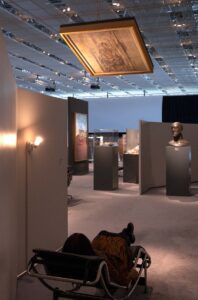
Recline underneath Alberto Giacometti’s painting Diego Seated and tell the work a secret you wouldn’t tell anyone else.
–
5 SoundEscapes
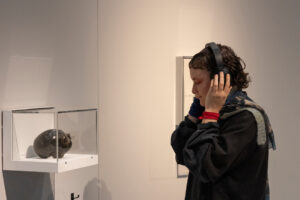
Imagine your favourite film, or the best party you have ever been to, and take away the music. What would that experience have been without its soundtrack? That’s how visiting an art museum can feel like. SoundEscapes, in collaboration with Sound and Music, saw ten of the UK’s most exciting composers commissioned to create a one-minute musical piece which captured the essence of an artwork within the Sainsbury Centre’s collection. Each object in the collection is able to better tell its life story and engage with audiences in a new and dynamic way.
Listen in the Living Area and on Smartify.
–
6 Sharing Stories Interviews

Yinka Shonibare
Sharing Stories: Yinka Shonibare CBE RA on his work ‘Hybrid Mask (Baule/Yaure)’
In this interview, Yinka Shonibare CBE RA explores cultural identity, colonialism and globalisation through his work, ‘Hybrid Mask (Baule/Yaure)’ from the Sainsbury Centre’s collection.
Sharing Stories: LGBT Rights Activist on Ro Robertson–
In this interview, Sophie, LGBT rights activist and sea swimmer, talks to us about their relationship with gender and the natural world in response to Ro Robertson’s piece, ‘Stack (Body Set in Motion)’ (2021).
Sharing Stories: Anj Smith on Leonora Carrington
In this interview, Anj delves into Leonora Carrington’s work ‘Old Maids’, and discusses the personal connection she feels to the artist, similarities between their practices, and Carrington’s enduring relevance and importance in the 21st century.
–
7 A Handbook for Living Art
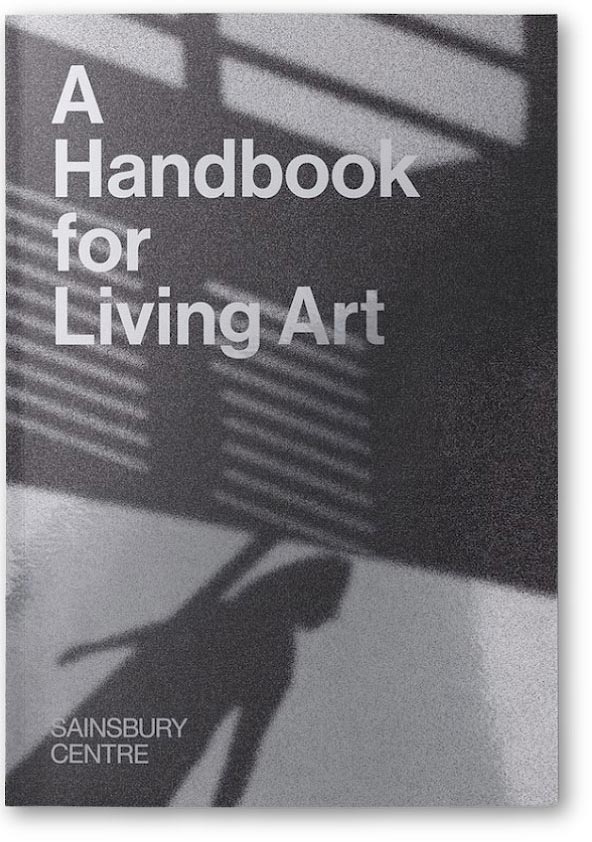
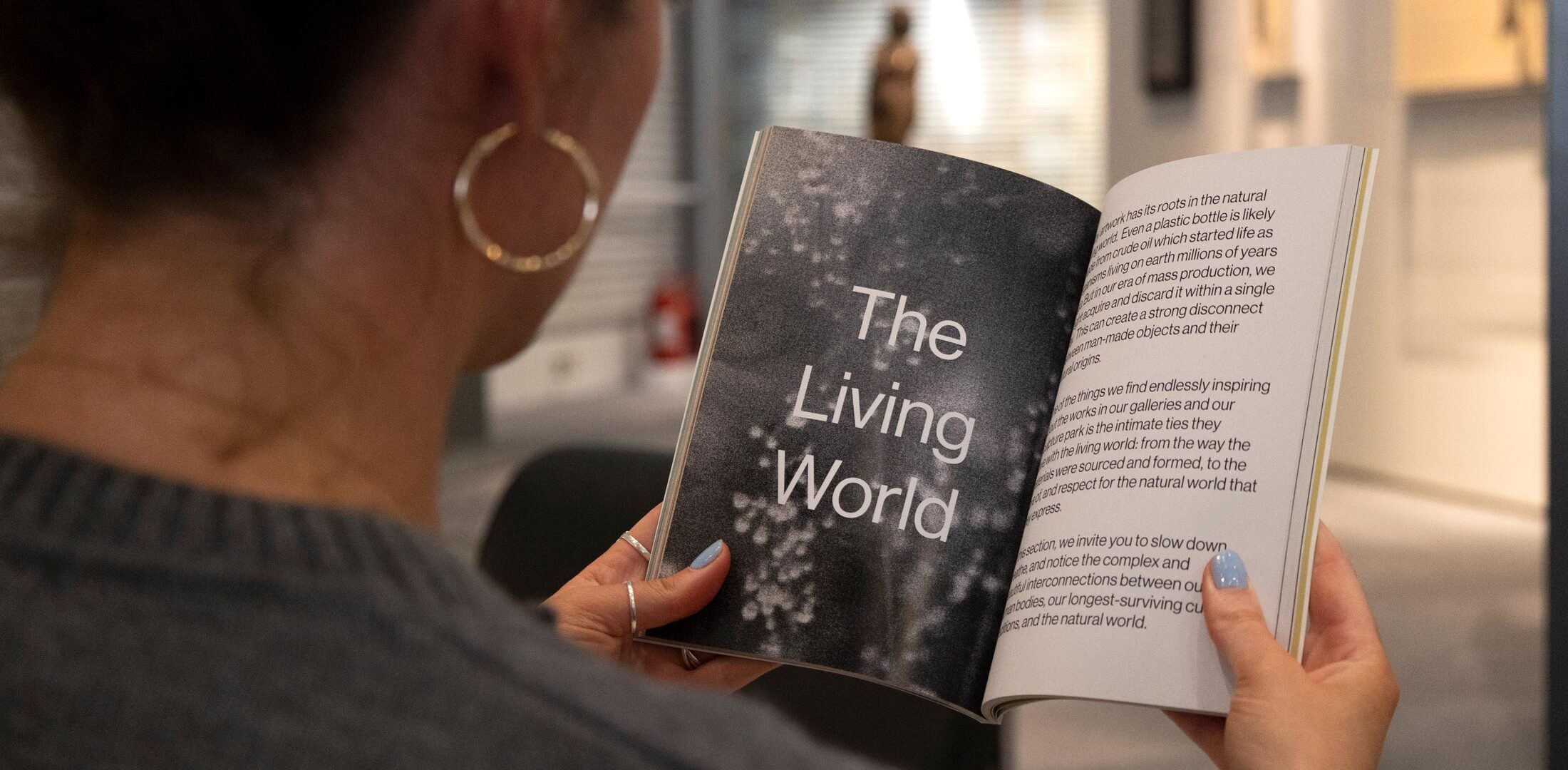
In these pages, you will discover inspirational quotes from a range of artists, alongside simple strategies that you can try out for yourself. Whether you do them alone, or with friends and family, they offer new ways to experience art with your whole self: your body, your emotions, your imaginations, your beliefs, your creativity, your ideas and your lived experiences.
“The Sainsbury Centre has come up with prompts, games, gambits and icebreakers to help you to get to know each living thing as you encounter it. I was all ready to think “gimmick”. But the scheme is a brilliant crib sheet of ways to engage with art. You could spend an afternoon at the Sainsbury Centre and take the lessons learnt with you to every gallery and museum you visit for the rest of your life” – The Times
–
8 Cards for conversation
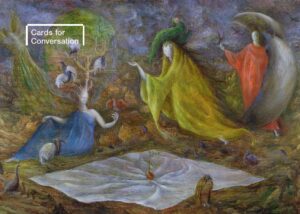
Our Cards for Conversation focus on six pieces from the Sainsbury Centre’s permanent collection in order to ask big questions about relationships, people and places, art and ideas.
The cards draw from the collection to examine lived experiences, considering our connection to work, power, place, and raise questions about why certain objects are in the collection and their histories.
Moving beyond traditional ways of looking, they open us up to multiple perspectives, recognising that there isn’t one way of seeing and interpreting.
–